What the Stones Remember
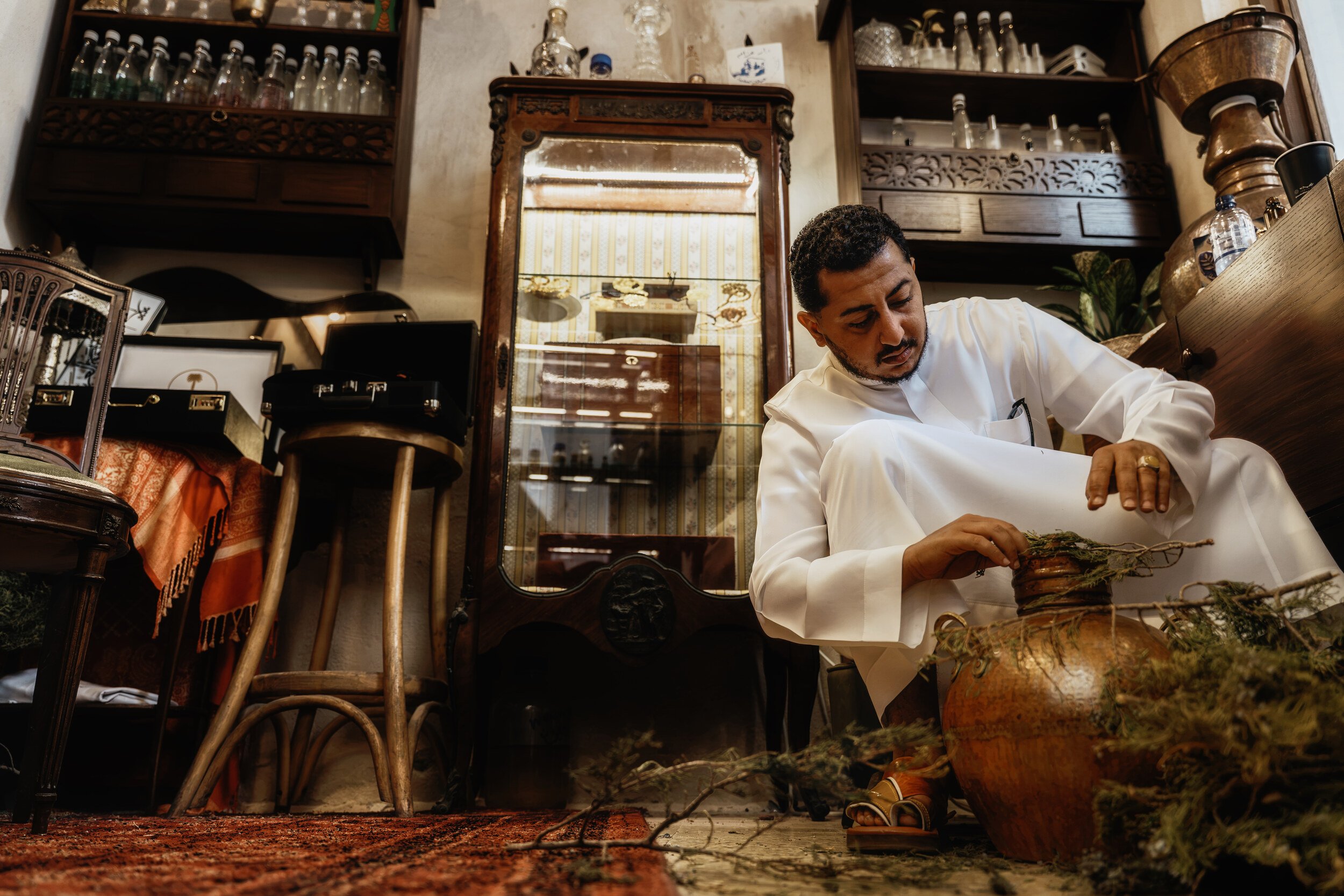
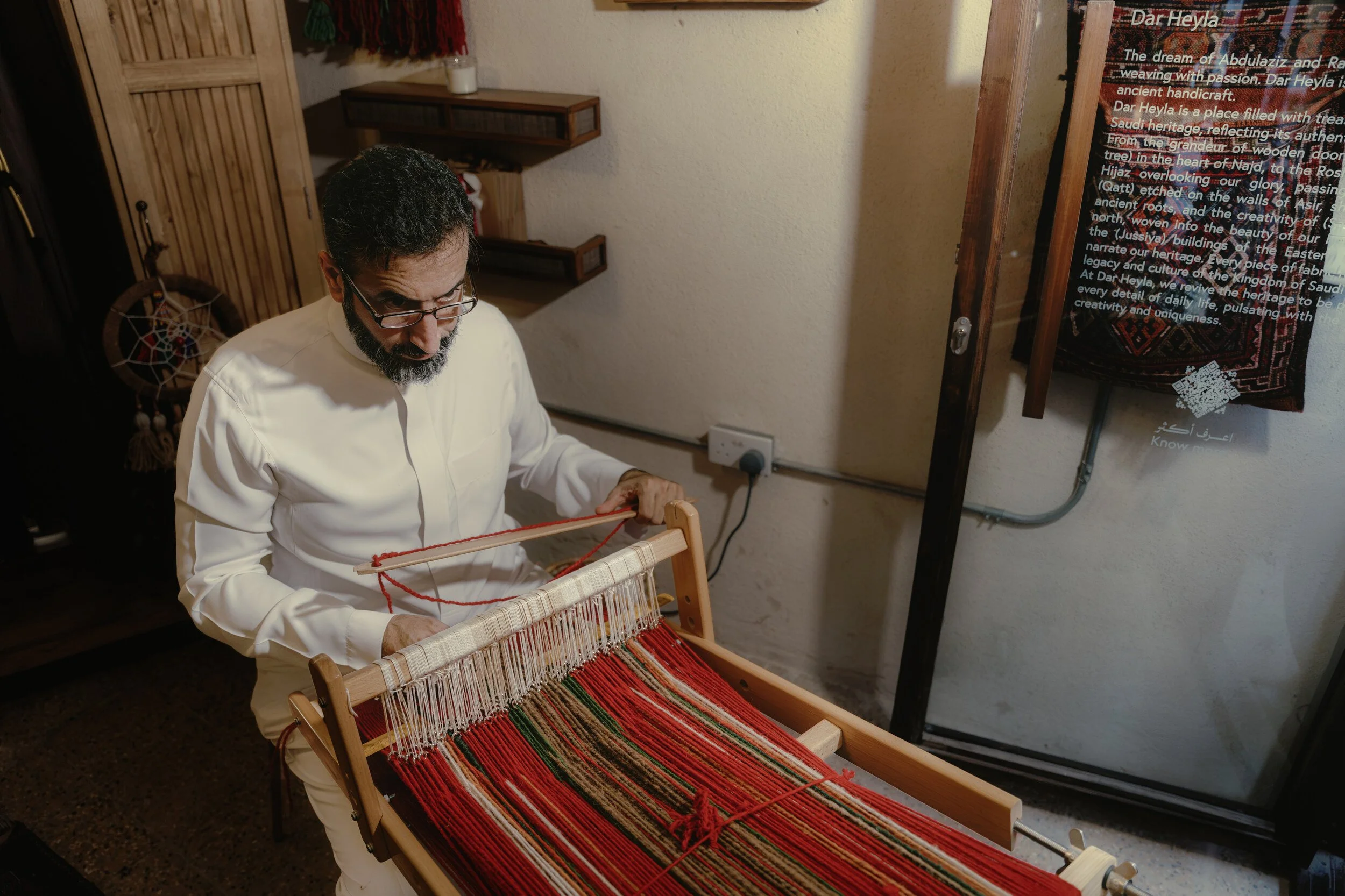
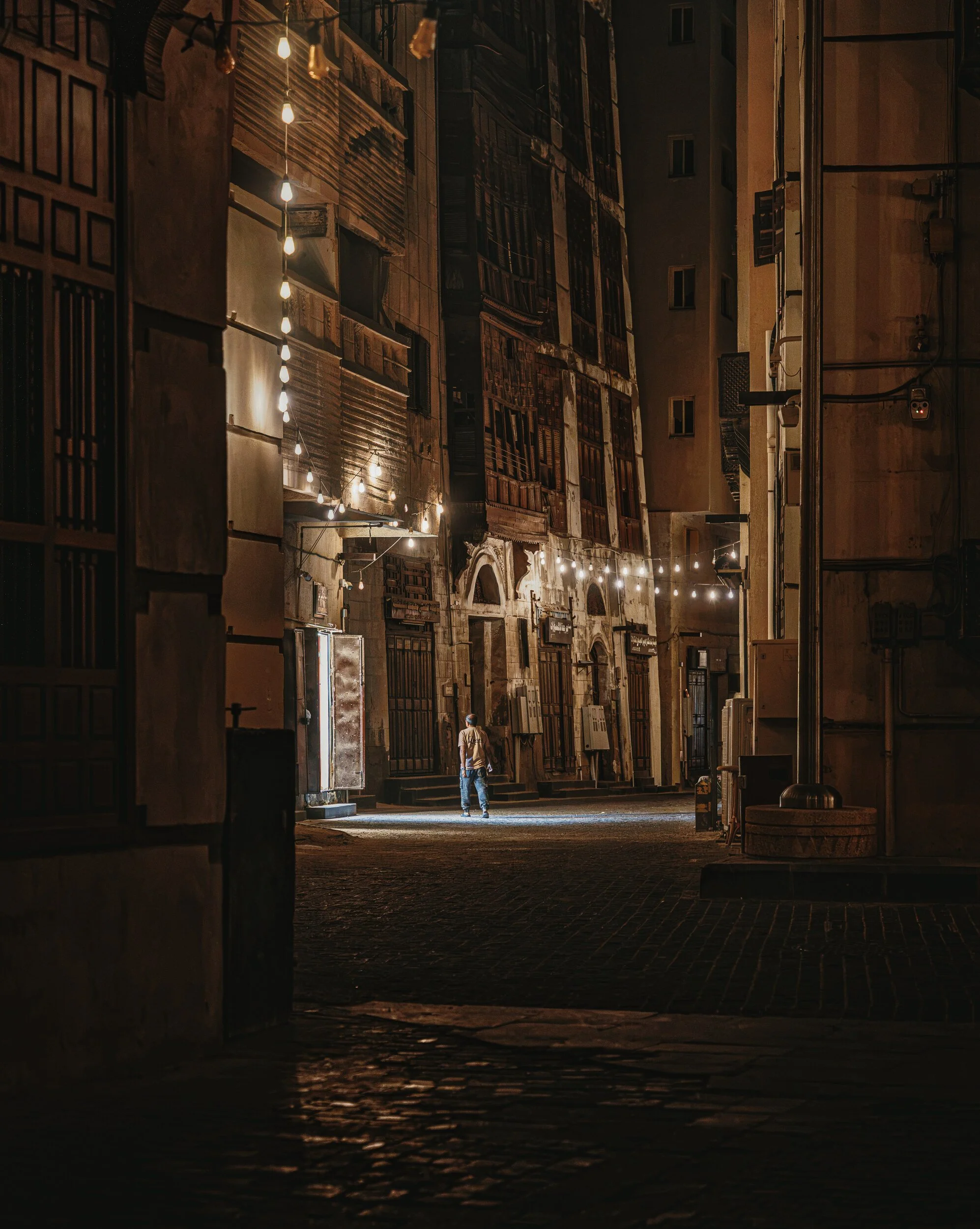
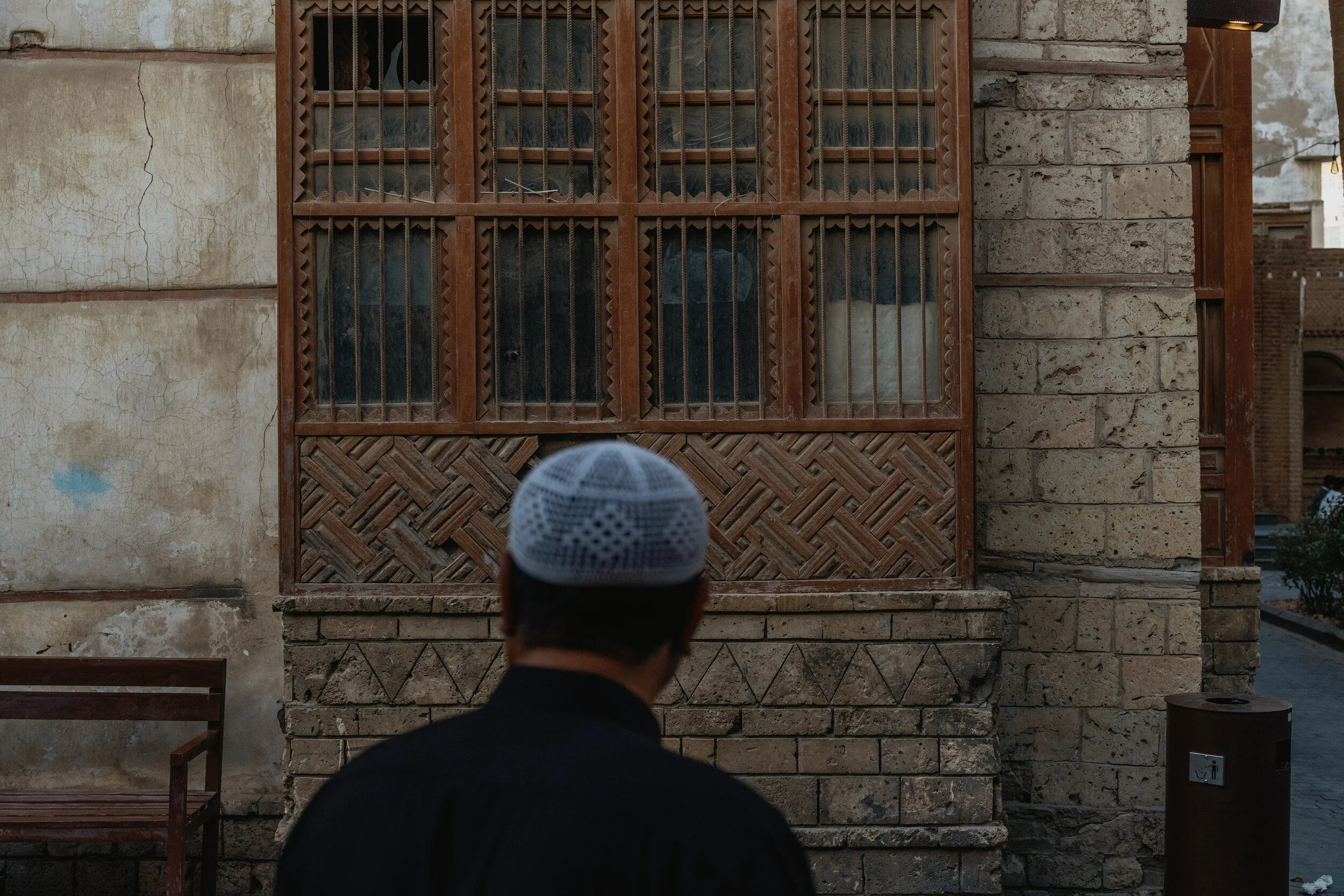
What the Stones Remember is a long-term photographic survey of the disappearing artisans, laborers, and inherited crafts of the Hejaz — the perfumer, the weaver, the fisherman, the shepherd, the poet — and the coral-stone vernacular architecture that once housed them. It begins in the historic Al-Balad district of Jeddah.
The work draws on the classical Arabic tradition of the waqfa ‘ala al-atlal, the pause at the ruins, through which the pre-Islamic Mu’allaqat poets measured what time takes and what it leaves. Figures appear from behind or absorbed in the work of their hands. Three movements structure the body of work: what has been — the architecture and the inherited object; what is being — the labor still happening; and what will be — the restored space and the question of who will occupy it.
An elder trader in Al-Balad, old enough to remember the tail end of the Ottoman order, told me that every city has a soul, and Jeddah’s soul is fish and trade — and that poets, farmers, fishermen, and shepherds are art too. That widened the project to include every form of inherited labor, not only the crafts.
Featured Artisans
Azzam Al Hamdan — attar (traditional perfumer), Zawiya 97, Souq Al-Alawi, distilling essences on centuries-old copper apparatus.
Abdulaziz Al-Zouman — co-founder of Dar Heyla, reviving endangered Saudi textile traditions including sadu weaving (UNESCO Intangible Cultural Heritage, 2020).
These are the first of many. What the Stones Remember is an ongoing project — this page is a preview, not the finished work. More artisans are still to be met, and the photobook is yet to come.
I have accepted that I am not worthy of your gaze. But look at my longing — look at how I have waited. — Mirza Ghalib